
Key Takeaways
- Walk-in showers maximize space, improve accessibility, and create a modern look, making them ideal for small bathrooms and aging in place.
- Bathtubs are essential for families with young children and can increase your home’s resale value, especially if it’s the only tub in the house.
- Consider your needs, space, budget, and plans for resale when choosing between a walk-in shower and a tub.
Remodeling a bathroom is one of the most exciting projects you can undertake as a homeowner. It is also one of the most stressful. You have tiles to pick, fixtures to choose, and layouts to approve. But the biggest question usually lands right in the center of the blueprint: Should you install a spacious walk-in shower or keep the classic bathtub?
This isn’t just a matter of preference. It affects your daily routine, your water bill, and even the future resale value of your Columbia property. Both options have loyal fans. Some can’t imagine life without a Sunday evening soak, while others see a tub as a waste of precious square footage.
In this guide, we will help you weigh the pros and cons of each. We will look at space requirements, installation costs, maintenance needs, and accessibility concerns to help you make the right call for your home.
The Walk-In Shower: Modern Utility
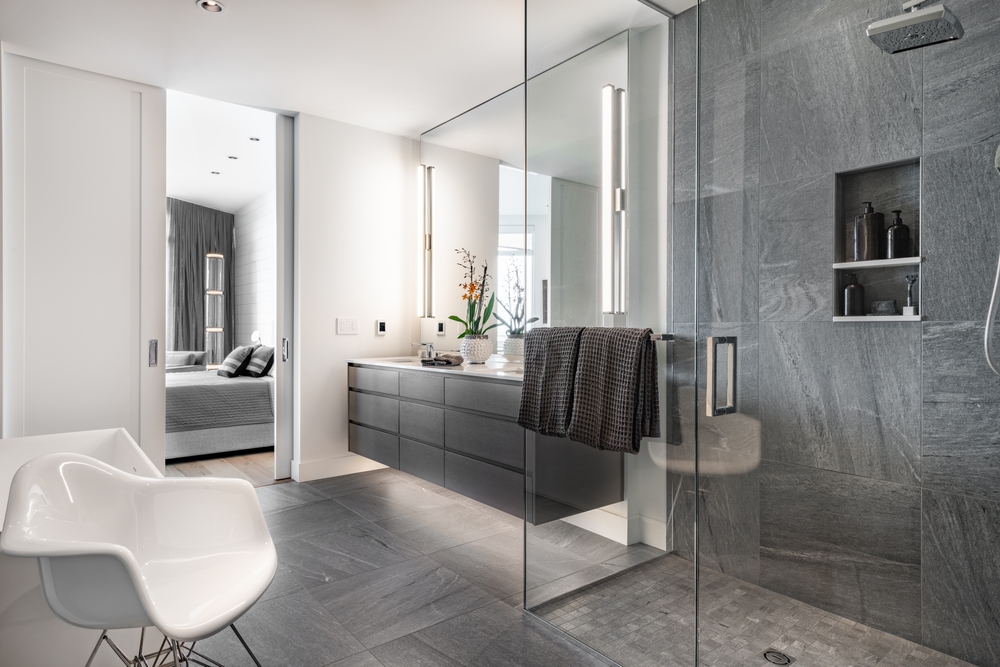
Walk-in showers have surged in popularity over the last decade. They often symbolize a modern, spa-like aesthetic that appeals to busy professionals and those looking to age in place.
The Advantages of Showers
Superior Space Efficiency
In many Columbia homes, bathrooms—especially guest baths—can be tight on space. A standard bathtub takes up a significant footprint, usually about 13 to 15 square feet. A walk-in shower, however, can be designed to fit almost any corner or alcove. If you have a particularly small bathroom, a shower can make the room feel twice as large. Without the visual barrier of a tub wall, the sightlines extend to the back of the room, creating an open, airy feel.
Accessibility and Safety
This is a major factor for many homeowners. Stepping over a high tub wall can be dangerous, particularly for seniors or anyone with mobility issues. Walk-in showers, especially curbless designs, eliminate this tripping hazard entirely. They allow for easy entry and can easily accommodate grab bars or bench seating without looking clinical.
Eco-Friendly Water Usage
Generally speaking, showers use less water than baths. An average bath requires 35 to 50 gallons of water to fill. A water-efficient showerhead typically disperses about 2.5 gallons per minute. Unless you are taking twenty-minute showers every morning, the shower is usually the greener, cheaper option for your utility bills.
The Downsides of Showers
Less Relaxing
While rainfall showerheads are nice, they don’t offer the deep muscle relaxation of soaking in hot water. If you use baths for therapeutic reasons or stress relief, a shower simply cannot compete.
Difficult for Young Families
If you have small children (or plan to), a home without a bathtub can be a logistical nightmare. Bathing a toddler in a walk-in shower is difficult, wet, and slippery work.
The Bathtub: Classic Comfort
Despite the trend toward showers, the bathtub remains a staple in American home design. From standard alcove tubs to luxurious freestanding soaking tubs, they offer benefits that showers cannot replicate.
The Advantages of Tubs
Family Friendliness
As mentioned, tubs are essential for families with young children. They make bath time safe and contained. They are also incredibly useful for washing pets that might be too skittish for a spray nozzle.
Resale Value Security
Real estate agents often repeat a golden rule: Keep at least one tub in the house. While you might prefer a shower in the primary suite, removing the only tub in the home can alienate a massive segment of buyers—specifically young couples starting families. Keeping a tub ensures your home appeals to the widest possible market when it comes time to sell.
Cost-Effectiveness
If you are strictly looking at materials, a standard fiberglass or acrylic tub is often cheaper than the tiling, glass doors, and pan construction required for a custom walk-in shower. If you are replacing an existing tub with a new one, the plumbing is already in the right place, which keeps labor costs down.
The Downsides of Tubs
Space Hogs
Tubs take up a lot of room. In smaller bathrooms, a tub can make the space feel cramped and difficult to navigate. Freestanding tubs, while beautiful, require even more space around them for cleaning and aesthetics.
Difficult Entry
The high sides of a bathtub can be a barrier. For homeowners planning to retire in their current home, a standard tub might become a liability later in life.
Comparing the Factors: What Matters for You?
To make your decision easier, let’s break down the comparison into the specific factors that impact Columbia homeowners the most.
Space and Layout
Look critically at your bathroom’s footprint. If you have a sprawling primary bath, you might have room for both—a soaking tub and a separate shower enclosure. This is the ultimate luxury setup. However, if you are remodeling a standard 5×8 bathroom, you likely have to choose.
If the goal is to make the room look bigger and more modern, the shower wins. If the goal is to fill a large, awkward space with a focal point, a freestanding tub wins.
Installation and Cost
Budget is always a driving factor.
- Converting Tub to Shower: This is often more expensive than a simple swap. You have to rip out the old tub, potentially move the drain, waterproof the floor and walls, lay tile, and install heavy glass doors.
- Replacing a Tub with a Tub: This is usually the most budget-friendly option.
- High-End Options: A luxury steam shower with body jets can easily cost more than a high-end whirlpool tub.
Generally, a high-quality tiled shower installation costs more than a standard tub installation due to the labor involved in tiling and waterproofing.
Maintenance
Who is cleaning this bathroom?
- Showers: While you don’t have to scrub a basin, large glass doors are magnets for hard water spots and soap scum. Grout lines require periodic sealing and scrubbing to prevent mold.
- Tubs: Porcelain or acrylic tubs are relatively easy to wipe down, but leaning over the rim to scrub the bottom can be back-breaking work.
For ease of cleaning, a tub with a shower curtain is actually the easiest (throw the curtain in the wash). Between a glass-enclosed shower and a tub, the tub is often slightly lower maintenance simply because it lacks the expanse of glass.
Resale Value in Columbia
The local market matters. In Columbia, family homes are in high demand. If you live in a neighborhood with three or four-bedroom homes, removing the only bathtub could devalue your property.
However, if you are renovating a primary ensuite and there is another tub in the hallway bathroom, ripping out the primary tub for a luxury walk-in shower often increases the home’s value. Buyers today expect luxury and convenience in the primary suite. They want the “hotel experience” at home.
The Verdict: Which is Best?
There is no single winner, but there is a winner for your specific situation.
Choose a Walk-In Shower If:
- You are renovating a primary bathroom, and there is another tub elsewhere in the house.
- You want to “future-proof” your home for aging in place.
- You have a small bathroom and want to maximize floor space.
- You prefer quick, efficient bathing over long soaks.
Choose a Bathtub If:
- It is the only bathroom in the house.
- You have small children or plan to start a family soon.
- You enjoy soaking in baths to relax.
- You are working with a tighter renovation budget and want a simple replacement.
Deciding between a walk-in shower and a tub for your Columbia home requires balancing your current desires with future needs. If you crave a modern look and easy accessibility, the shower is a clear favorite. If you need family functionality and resale security, the tub remains the champion.
Before you swing the sledgehammer, consult with a local contractor or real estate expert. They can tell you exactly what buyers in your specific Columbia neighborhood are looking for. Ultimately, the best bathroom is the one that serves your lifestyle every single morning. Whether you choose the quick efficiency of a shower or the relaxation of a tub, ensure you invest in quality fixtures that will stand the test of time.

Frequently Asked Questions
Should I remove my only bathtub?
If you plan to sell your home in the future and it’s the only tub, it’s best to keep it, since many buyers and families prefer at least one bathtub in a home.
Are walk-in showers more expensive to install than tubs?
Generally, a custom walk-in shower is more expensive due to the amount of tile work, waterproofing, and glass required. Replacing a tub with another tub is typically more budget-friendly.
Which option is easier to clean?
Tubs with shower curtains are usually easier to clean than glass-enclosed showers, but some prefer the convenience of a walk-in shower with minimal grout and glass.
Does a walk-in shower add value to my home?
A walk-in shower can boost value, especially in a primary suite or if there’s still a tub elsewhere in the house. Removing the only tub may decrease your buyer pool.
Can I have both a shower and a tub in my bathroom?
If space and budget allow, installing both is considered the best of both worlds and can appeal to a wider range of buyers.